
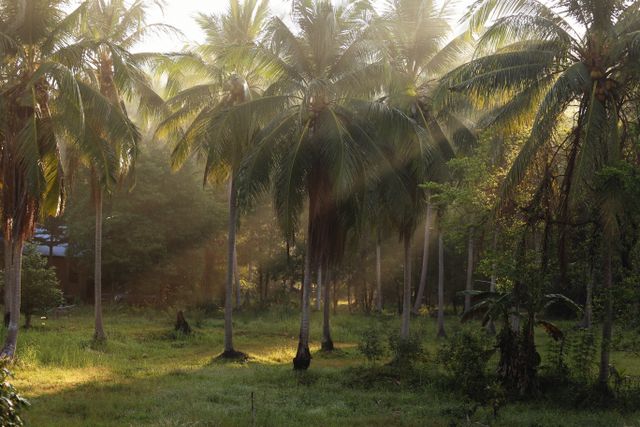
Letter from the Editor
Welcome to Issue #3 in which we turn our focus on ecology and the ways in which our care for and carelessness concerning the natural environment affects the world we live in and ultimately, us. In an era in which we seemingly witness one upheaval after the next affecting our environment, we recognize the need to examine this fundamental relationship as if it were a matter of life or death.
To aide us in this examination, we have turned to the book Decolonial Ecology by Martinican environmental engineer Malcom Ferdinand. Yes, we are a literary magazine, but we felt a need to be on the right track regarding how we approach the topic of decolonial ecology. And, surprisingly, Ferdinand’s book, which is replete with decolonial theory, has a wealth of literary influences, including Shakespeare, Joseph Conrad, Derek Walcott, and Alice Walker.
To condense some of Ferdinand’s arguments, he states that “decolonial ecology is an ecology of struggle. Far from the environmentalism of Noah’s ark, which refuses the world and prolongs the dominations of the enslaved, decolonial ecology is a matter of challenging the colonial ways of inhabiting the Earth and living together. Confronting ecosystem destruction is then intimately linked to a demand for equality and emancipation. From the perspective of the imaginary of the slave ship, decolonial ecology is a rising up from the modern world’s hold… it is a matter of recognizing that the colonial relationship cannot be reduced to a relationship between groups of human beings. It also includes specific relationships to non-humans, to landscapes, and to lands through the colonial inhabitations of the Earth. This means that emancipation from colonial domination cannot be thought of only as a change in the relationship of humans to humans. It also implies a transformation of the colonial relationship to landscapes and to non-humans, including in its slave-making forms.”
In selecting the pieces for this issue, we kept an eye on how Ferdinand views current society as a plantationcene affecting all humans and his demand that we hold antislavery, anticolonialism, and environmentalism together in order achieve an authentic decolonial ecology that can save us from catastrophe. As you read, we hope you sense our desire to impart Ferdinand’s theory with a literary life.
Thanks again to the writers who contributed to this collection! And sincere gratitude to the editors and readers who make Decolonial Passage possible!
Please join our community by adding your email at the bottom of any of our pages where you see “Free 5-Page Guide” because we’ll send you that writing guide when you join our email list.
Thanks for reading the magazine and for supporting us!
Table of Contents
NONFICTION
Jonas Attilus – The River Remembers
Ami Tamakloe – Tombs Called Homes
FICTION
Zoé Mahfouz – The Pondless Blue Nishikigoï
Ryan Hesketh – Frenzy
POETRY
E.D. Watson – Crickets
Thomas Piekarski – No Tedium Today
Sethunya Hlobisa Matsie – Oh Tree
Jason Harlow – The View from Cabrillo Ave
Parker Munson – An Acknowledgement
Saron Dereje – The Eucalyptus
Wenmimareba Collins Klobah – witching snare
Nsisong Udosen – Why did the plastic bag cross the road?
Audrey Shipp
Founding Editor

