Polished grains, seed pearls
opalescent white against
my white palm. Winnowed,
milled, pounded—husk
and bran and germ all
rubbed away—seeds denatured
ungermed to starch not seed
to feed and feed and feed.
“Cherokee blood” family would say,
marking my uncle’s rich and easy tan,
my grandfather’s broad face—
we descendants of
the rice people of the south,
the lowlands, the sea islands,
people of Savannah, Charleston.
Carolina Gold: If I take
this rice into my belly
will I taste in the passage
over lips, tongue, back of teeth
the dry bitter remnants,
the dark parts, the bran, the germ—
what was milled and polished white
into what was to be forgotten?
I turn each mouthful on my tongue
before swallowing , hoping
to taste some sign of heritage
to name and to know the
power of pain my ancestors
held in white hands–power to consume
land, labor, the ancient knowledge
of the first rice people
people of Senegambia their knowledge
of the planting and flooding,
the winnowing, the pounding,
the baskets and the boards,
the soil and the sweat—everything
that was taken I seek to take
into my body and the salt of grief
salt of blood salt of the wide Atlantic
to eat, swallow, trying to remember all
that I have never known,
the dark germ, the winnowed husk
let it nourish the hidden germ
the dark seed once denatured,
polished to whiteness
and forgetting. Let each grain
teach my tongue to speak
this rift of history to speak
the debt of blood of gold to speak
to the broken kinship
among the people of rice.
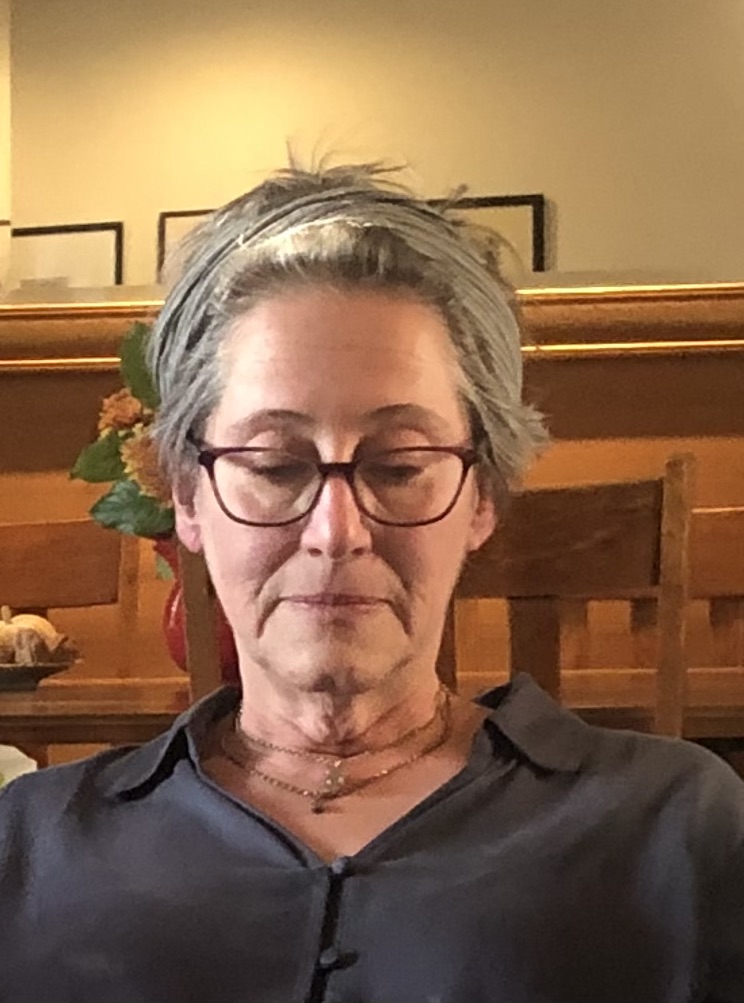
Caroline D. Le Guin taught English at Portland Community College until retiring a few years ago. She now writes and tends a small farm on the traditional ancestral lands of the Molalla, Clackamas Chinook, and Kalapuya peoples in the North Willamette Valley of Oregon.
 the Decolonial Passage