
I remember a little kid who spent his summers at his grandparents’ house.
He stayed out most of the day, but he really liked their house. He was fascinated with the backyard, a backyard without fences or anything separating it from the path leading to the mountains. He used to take a walk to the mountains. He loved that.
He spent most of his days going around mountains, eating lots of blackberries. He drank water from the river. When it was late, he came back to play football with other kids on the street. They set up two stones as goalposts on either side of the street. He thought the games were fun.
At night, he sat on the small balcony that served as the entrance to the house. He read whatever books he had brought with him from the city. Having no TV in the house didn’t bother him at all. His grandmother sometimes complained that he was wasting too much electricity, but she let him read his books anyway.
Unless it was one of those nights.
On those nights, they had to turn off all the lights. Then, close the curtains tight. And get away from the windows. The kid knew that he shouldn’t make loud noises. He knew he should act as if he didn’t exist. They all acted as if the house didn’t exist. Or the neighborhood. Or the city. Or the entire people. They didn’t exist according to official reports, so they had to act accordingly. The kid knew it was time to make himself invisible, imperceptible, inaudible.
Then, the noise started. Guns screamed. Humans screamed. Animals screamed. The kid didn’t know which side the screaming guy was on. He learned that dying men scream alike. He was scared. He was embarrassed by his fear, but he couldn’t help it. He hid under the divan. He remembered when his grandfather said, “If you recite Al-Nas and Al-Falaq, you will be protected from anything.” He had already memorized them even though he didn’t understand Arabic.
The kid started murmuring with a Basmalah, “Qul auzu birabbin nas…” Then, “Qul auzu birabbil falaq…” He repeated all the verses in Arabic. Again. “Al-Nas,” “Al-Falaq.” He didn’t understand what he was saying, but he kept saying it. The noise went on. People screamed. The kid repeated Arabic words.
The noise died down. Just like other similar nights. The kid was fine.
He planned to go on with his day after sunrise. Unless there was curfew. Curfews could last for days. He read when this happened. He never had many books with him, so he read the same books again and again.
The night the kid violated curfew, he wanted to watch the final game of Turkish Sports Writers Association Cup between two major İstanbul football teams: Galatasaray and Fenerbahçe. He walked a couple of minutes to his friend’s house, just down the street towards the feeble stream.
After the game, he wanted to go back home. His friend’s mother told him he should stay, but the kid thought it wasn’t a big deal. He left the house to go home. Then, he heard the noise created by lots of gunshots.
His mother and aunts told this story so many times that he isn’t sure if he remembers it or if he just recreated the whole thing based on what he was told. What he thinks he remembers is that he hid behind the stone wall, terrified, waiting for the shots to stop. They were most likely just warning shots. Then, a bright light emerged from an army vehicle. The kid put his hands up and slowly walked towards the vehicle. He vaguely recalls a couple of surprised soldiers. But who knows if he just made this up at some point? He barely remembers his aunt coming from the house. He remembers returning home. He doesn’t think he knew how to recite “Al-Nas” and “Al-Falaq” at the time; he must have learned that later.
When the kid played football in that street, another kid screamed, “Tank!” Then, they took the ball and the four stones that served as goalposts and ran. They returned after the tank passed. They put the stones back and continued playing. None of them were surprised. Tanks passed at least once a day.
If you ask me now, I’ll tell you the kid doesn’t exist anymore. I’ll tell you he became a grown man.
I won’t tell you that he still remembers how to recite “Al-Nas” and “Al-Falaq.”
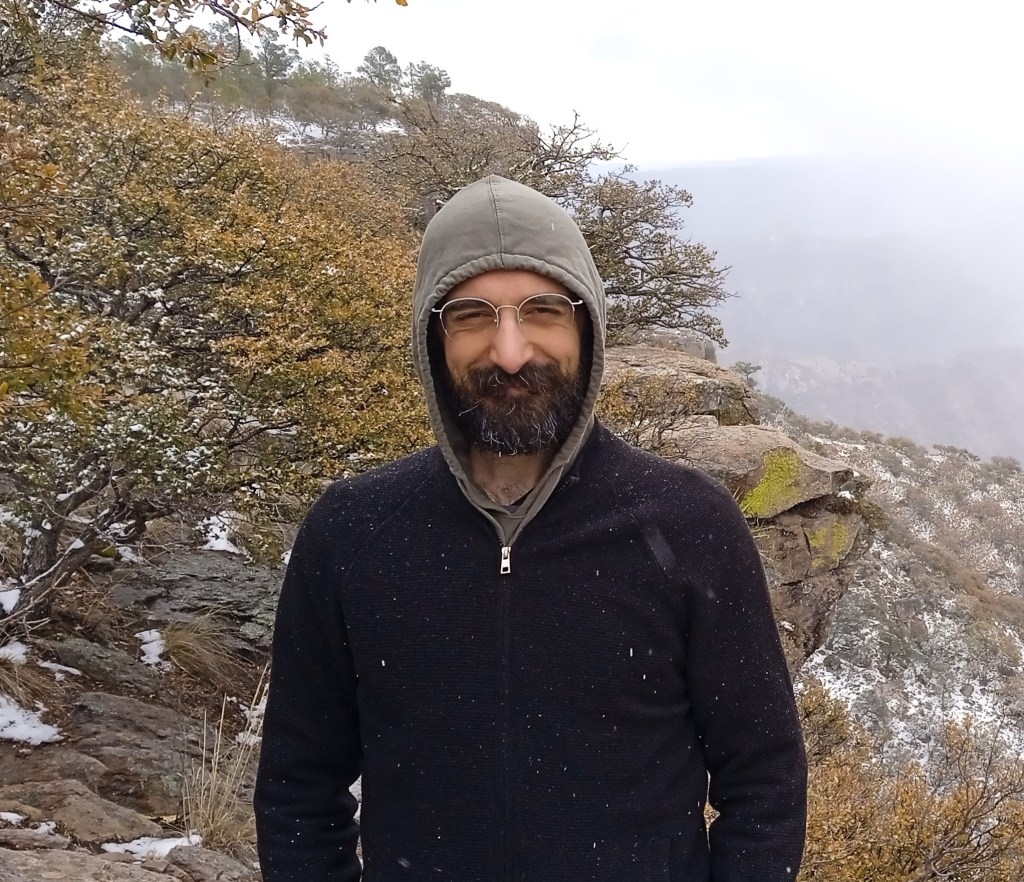
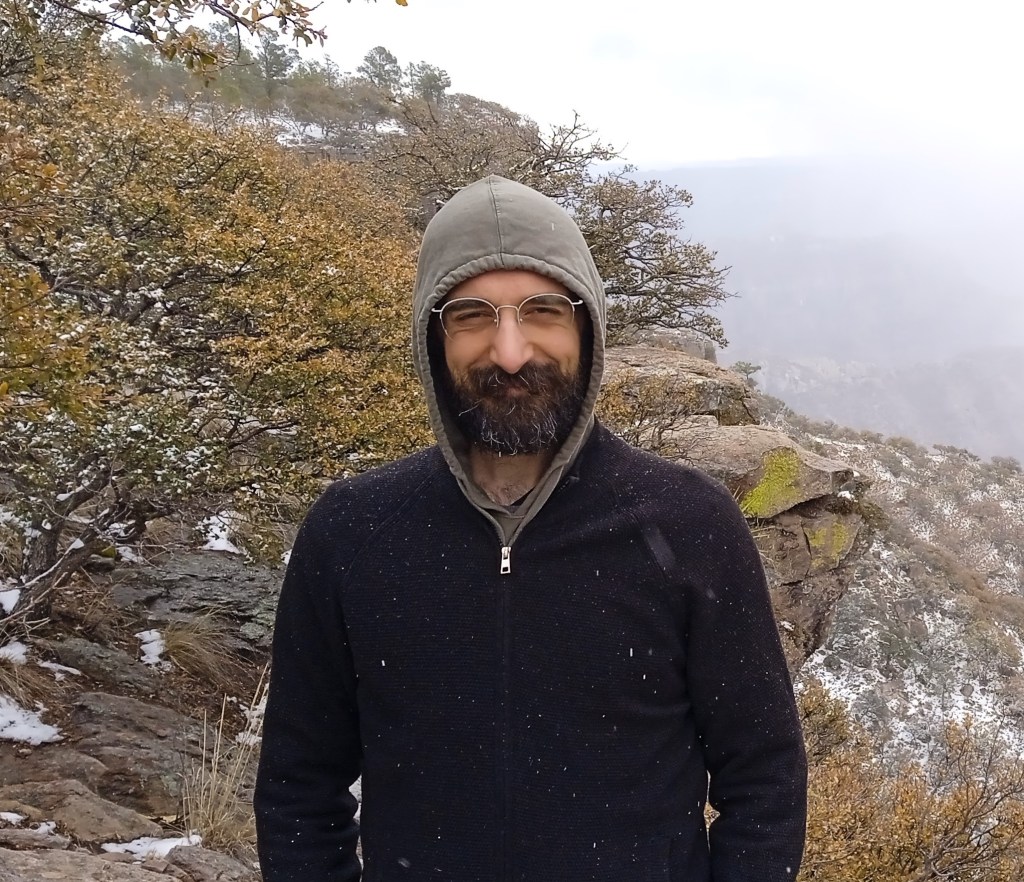
Serhat Tutkal is a Kurdish academic. He is currently a postdoctoral researcher funded by the Secretariat of Science, Humanities, Technology and Innovation (Secihti) in Mexico. He has a PhD from Universidad Nacional de Colombia (Bogotá) with a dissertation on the legitimation and delegitimation of Colombian state violence. He teaches courses on armed conflicts, dehumanization, racism, colonialism, and qualitative research methods. You can find him on Mastodon and Bluesky.


 the Decolonial Passage